Home Window Tinting: Energy, Privacy & Safety
By
Grace
Published
January 20, 2026
Time
5 min read
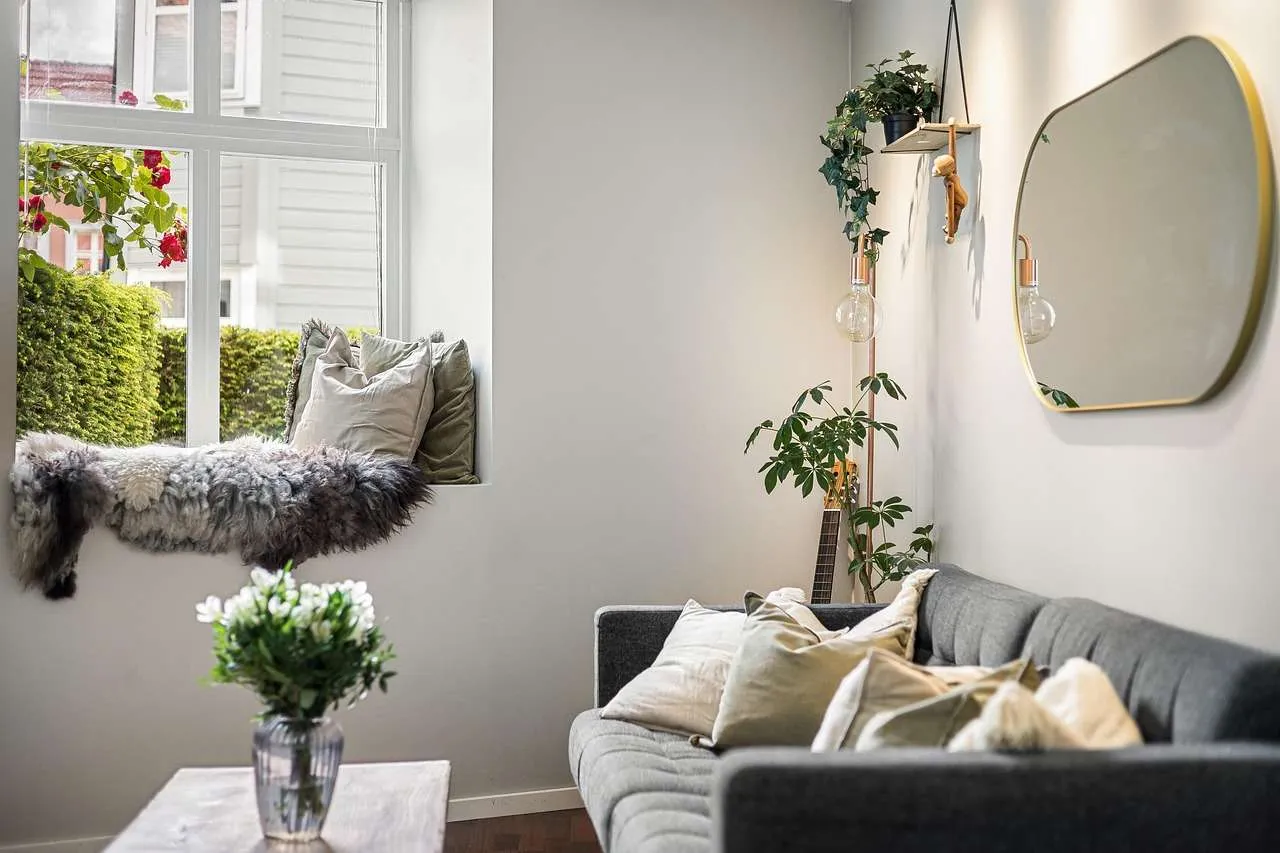
Home window tinting uses films applied to interior side of glass to reduce heat, glare, and UV exposure while adding privacy. Modern films are designed to be nearly invisible from indoors while still delivering performance. They can be applied to almost any glass surface in a home—windows, patio doors, even skylights—and can be chosen to balance light transmission with energy savings.
What is Home Window Tinting?
Definition and components: films are nano-structured layers with adhesives; they come in dyed, metalized, ceramic, and nano-ceramic varieties. Each has different properties in terms of heat rejection, UV protection, durability, reflectivity, and maintenance. The installation is typically done by a trained technician to ensure edge sealing, bubble-free finish, and longevity. When properly applied, tinting remains clear, resists peeling, and does not interfere with emergency signals or smart home sensors; however, metalized films can sometimes affect radio signals and sensors, so choose carefully and confirm with your installer.
Benefits of Home Window Tinting
Energy efficiency: By reducing solar heat gain, tinting lowers cooling loads in summer and can help with HVAC sizing over time. UV protection: Most high-quality films block 99%+ of UV rays, protecting furnishings, artwork, and skin from sun exposure. Glare reduction: Diminished glare improves comfort for screens, reading, and daytime activities, reducing eye strain. Privacy: Tinted windows provide daytime privacy without heavy curtains, particularly in street-facing rooms. Safety and security: Window films hold glass shards in place when impacted, reducing injury risk from breakage and increasing resistance to forced entry in some cases.
Choosing the Right Film
Key metrics to compare include IR (infrared) rejection, UV rejection, and Visible Light Transmission (VLT). IR rejection correlates with how much heat the film blocks; UV rejection protects skin and interiors, while VLT determines how much natural light passes through. Warranty length, brand reputation, and installer expertise are also critical. Additionally, consider the compatibility of the film with smart devices and sensors if you have automated windows or security systems. Local laws and HOA guidelines may limit the maximum allowed tint on certain windows.
Film Types
| Film Type | IR Rejection | UV Rejection | VLT (approx.) | Durability | Typical Cost |
|---|---|---|---|---|---|
| Dyed | Low–Moderate | Good | Moderate | Low | Low |
| Metalized | Moderate–High | Excellent | Low–Moderate | Moderate | Medium |
| Ceramic | High | Excellent | Moderate–High | High | High |
| Nano-Ceramic | Very High | Excellent | High | Very High | High |
Note: VLT values indicate how much visible light passes through. Higher VLT means lighter tint; lower VLT means darker tint. In practice, homeowners choose a VLT in the 35–60% range for a balance of light and heat control, while some prefer darker blocks for privacy and glare control. Industrial-grade or architectural projects may use specialty films with higher performance ratings but cost more and can require professional handling.
Key Considerations When Selecting Film
Check the warranty terms, ensure the product is approved for residential use, and confirm installation is performed by certified technicians. Some films may require a cure period after installation, and edge sealants should be inspected periodically. If your home uses smart glass or photovoltaic windows, verify compatibility. Some films are designed for single-pane glass, while others suit double or triple glazing; ensure the film you choose is compatible with your window type and frame material.
DIY vs Professional Installation
DIY tint kits can be affordable and effective for small-scale projects or rental properties; they require careful surface preparation, precise cutting, and a technique to avoid bubbles and creases. Professional installation, however, ensures a clean, uniform finish, proper edge sealing, and a manufacturer-backed warranty. Professionals also handle film cleaning and curing guidance to maximize performance. If privacy, heat control, or long-term warranty are priorities, invest in a reputable installer with portfolio examples and customer references.
Cost and Value
Costs vary widely by film type, window size, number of panes, and labor. For typical residential projects, DIY kits may start around $0.50–$2 per square foot for basic dyed films, while professional installations with ceramic or nano-ceramic films often range from $6–$12 per square foot or more, depending on film quality and market rates. A full home retrofit can span hundreds to thousands of dollars, but energy savings, reduced drafting, and protected furnishings contribute to long-term value. Always request a written warranty and confirm whether labor and materials are covered under separate terms.
Maintenance and Longevity
To preserve tint clarity, clean with non-ammonia, pH-balanced cleaners and a soft microfiber cloth. Avoid abrasive scrubbing and high-pressure sprays near seals. Routine inspections can catch edge peeling, bubbling, or adhesive failure early, allowing for timely repairs under warranty. Temperature fluctuations and improper cleaning products are common causes of premature film degradation; following manufacturer guidelines helps maximize life expectancy, typically 10–15 years for premium films.
Conclusion
Conclusion, home window tinting integrates energy efficiency, UV protection, privacy, and safety into a single upgrade. By choosing the right film type, considering installation options, and working with a reputable installer, homeowners can improve comfort, protect interiors, and realize long-term value.